Tilburg University · Methodology & Statistics

Computational Psychology +
Computational Methods Lab

>
// ABOUT THE LAB

We use computational methods to study human behaviour - and psychological methods to study the behaviour of computational models

The CPCM Lab brings together researchers who seek to bridge the gap between computational methods and behavioural science. We collect data in psychological experiments and apply techniques from natural language processing, machine learning, and statistical modelling to better understand human behaviour and the models that increasingly imitate it.

The lab was established in 2018 at University College London and has worked at the intersection of complex data and computational methods always with a focus on substantive research questions of societal relevance. Two questions are central to the lab:

Q.01

How can computational methods enhance our understanding of the human mind and behaviour?

Q.02

How can psychological research methods inform our understanding of computational model behaviour?

Our work is genuinely cross-disciplinary. We treat language as complex data, models as participants, and experiments and formal modelling as the missing link between the two.

LAB ETHOS
// LAB UPDATES

Updates

07 / 2026

iiiRG conference presentations in Leuven

Riccardo Loconte and Lucca Pfründer will present their work at the iiiRG (International Investigative Interviewing Research Group) conference in Leuven in July 2026.

06 / 2026

PhD defense · Riccardo Loconte

Riccardo Loconte defends his PhD thesis, Opportunities and Challenges of Automated Verbal Deception Detection.

06 / 2026

Official launch of the ERC JUSTICE project

The ERC-funded JUSTICE project officially launches, advancing research on generative AI and the computational modelling of human behaviour for ethical and effective investigative interviewing.

05 / 2026

Poster presentation · Machine Behaviour, Berlin

Sanne Peereboom presented a poster at the Machine Behaviour meeting in Berlin.

02 / 2026

Hiring · Two 4-year PhD positions on the ERC JUSTICE project

Application deadline: 22 March 2026.

11 / 2025

New Master Track launched

The 2-year master track AI for Psychological Research is now open. If you're interested in applying or have questions, please reach out.

10 / 2025

Special issue · Legal & Criminological Psychology

Our special issue on the Impact of Artificial Intelligence and New Technologies on Legal and Criminological Psychology is open for submissions. For questions, contact Bennett or Riccardo Loconte.

// PEOPLE

The researchers in the lab

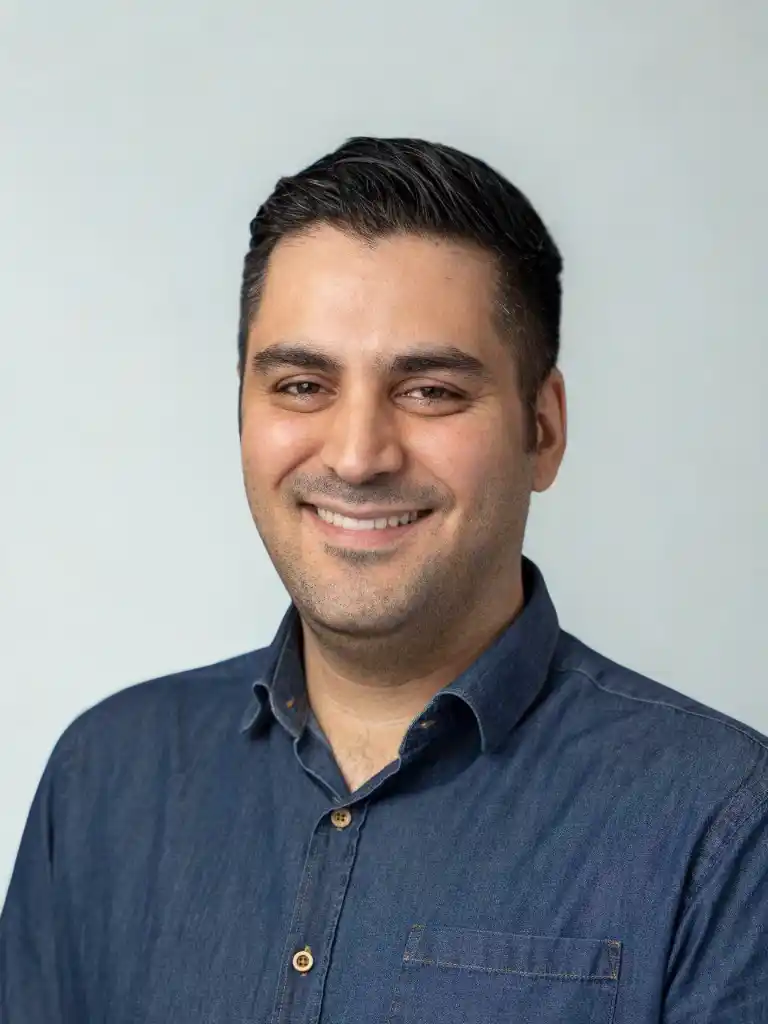
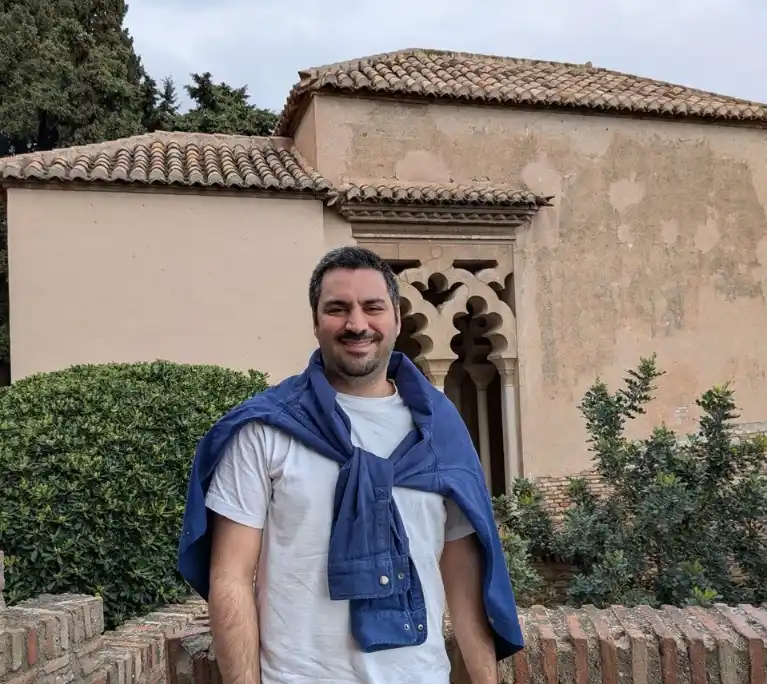
Lab Director Bennett Kleinberg Unified alternate portrait of Bennett Kleinberg

Bennett Kleinberg

Behavioural data science · Computational psychology · NLP

DisciplinePsychology / Computational methods / Natural Language Processing
Academic PathUniversity of AmsterdamUniversity College LondonTilburg University
#behavioural-data#comp-psych#nlp
Lab Director Unified alternate portrait of Bennett Kleinberg

Bennett Kleinberg

Bennett Kleinberg is an Associate Professor in Behavioural Data Science at Tilburg University and an Honorary Associate Professor at University College London. His research combines psychological science and computational methods to better understand human behaviour and the interaction between humans and machines. Through the Computational Psychology & Computational Methods (CPCM) Lab, he develops and applies approaches from natural language processing, machine learning, and statistical modelling to address questions related to deception, investigative interviewing, human resilience, and machine behaviour. He is also actively involved in advancing open science.

#behavioural-data#comp-psych#nlp
Postdoc Riccardo Loconte Unified alternate portrait of Riccardo Loconte

Riccardo Loconte

Automated verbal deception detection

DisciplinePsychology
Academic PathUniversity of BariUniversity of PadovaIMT School for Advanced Studies LuccaTilburg University
#verbal-deception#automated-detection
Postdoc Unified alternate portrait of Riccardo Loconte

Riccardo Loconte

Riccardo Loconte is a Postdoctoral Researcher in Methodology and Statistics at Tilburg University. With a background in Psychology, his research focuses on applying computational methods, including Natural Language Processing and Machine Learning, to automated detection of verbal deception.

#verbal-deception#automated-detection
Doctoral Researcher Sanne Peereboom Unified alternate portrait of Sanne Peereboom

Sanne Peereboom

LLM behaviour research through an interdisciplinary lens

DisciplinePsychology / statistics and data science
Academic PathLeiden UniversityTilburg University
#llm-behaviour-research
Doctoral Researcher Unified alternate portrait of Sanne Peereboom

Sanne Peereboom

Sanne started her PhD at Tilburg University in 2023 and is involved in researching large language model behaviour through an interdisciplinary lens. She enjoys using creative ways to apply methods from psychology to large language models with a particular interest in fundamental methodology for such research.

#llm-behaviour-research
External Doctoral Researcher John Caffier Unified alternate portrait of John Caffier

John Caffier

Computational methods to measure, understand, and influence prosocial behavior and trust

DisciplinePsychology / Data Science
Academic PathUniversity of TübingenUniversity of KonstanzMax Planck Institute for Human DevelopmentTilburg University
#trust-dynamics#prosocial-tech#behaviour-change
External Doctoral Researcher Unified alternate portrait of John Caffier

John Caffier

John is a psychologist and software developer, and an External PhD candidate. His research focuses on how large language models and social media shape trust, persuasion, and prosocial behavior. When he is not analyzing data or building apps, you’ll likely find him meeting friends, tasting Greek food, chasing the sun, or playing board games.

#trust-dynamics#prosocial-tech#behaviour-change
Doctoral Researcher Rasoul Norouzi Nikjeh Unified alternate portrait of Rasoul Norouzi Nikjeh

Rasoul Norouzi Nikjeh

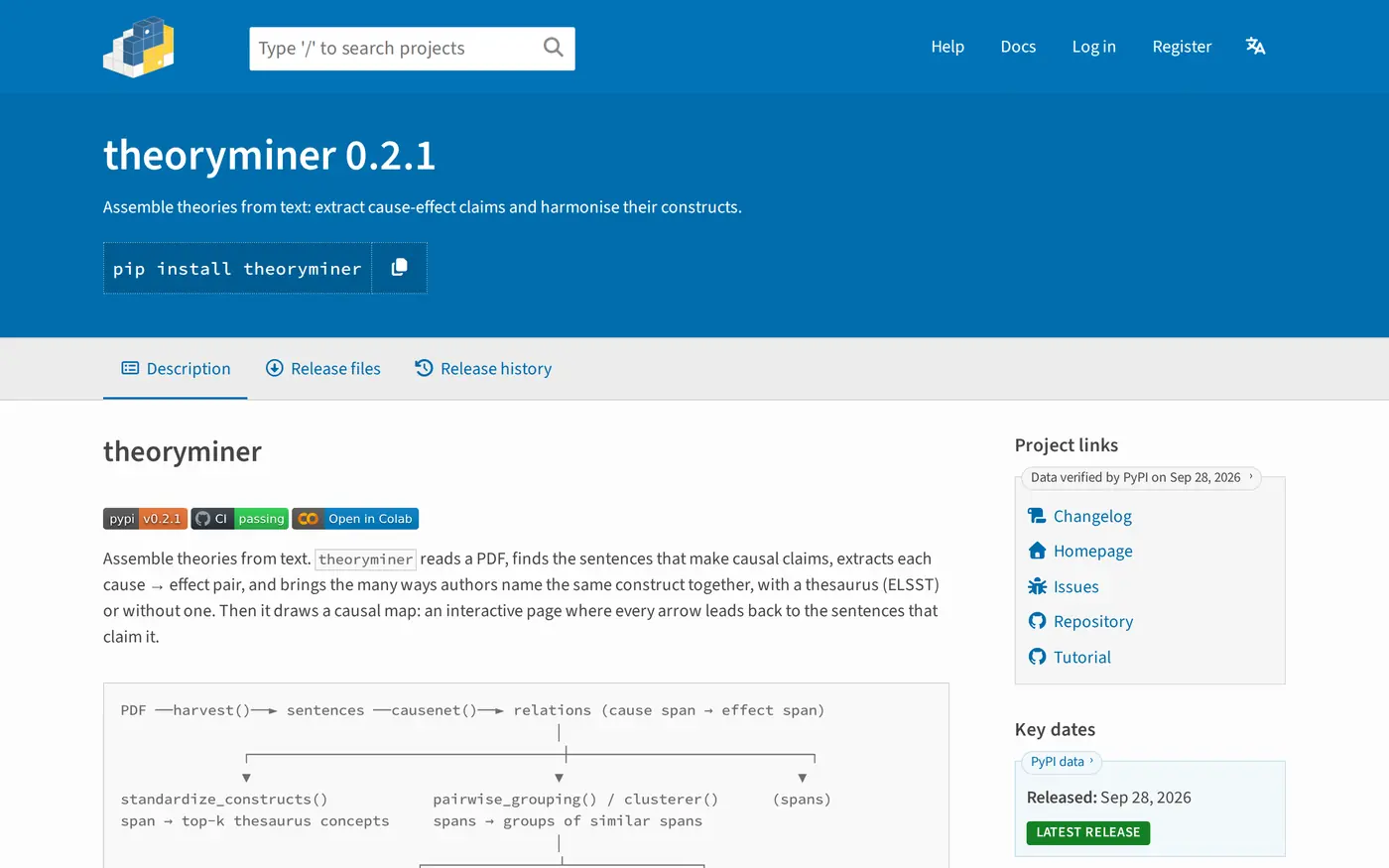
Knowledge extraction from scholarly literature and NLP-based theory refinement

DisciplineMethodology and statistics / Natural Language Processing / Computational social science
Academic PathTilburg University
#knowledge-extraction#measurement-theory-evaluation#automated-systematic-review
Doctoral Researcher Unified alternate portrait of Rasoul Norouzi Nikjeh

Rasoul Norouzi Nikjeh

Rasoul's research uses natural language processing to extract theoretical knowledge from scientific literature at scale, linking causal claims across studies to refine existing theories and generate new hypotheses. He fine-tunes and adapts language models for domain-specific use and builds AI-powered tools and software around them. He is also interested in the overlap between methodology and NLP, bringing measurement-theory tools like reliability, validity, and construct equivalence to how language models are evaluated.

#knowledge-extraction#measurement-theory-evaluation#automated-systematic-review
Doctoral Researcher Jennifer Chen Unified alternate portrait of Jennifer Chen

Jennifer Chen

Experience Sampling Methodology and qualitative data integration

DisciplinePsychology
Academic PathTilburg University
#experience-sampling-methodology#qualitative-data
Doctoral Researcher Unified alternate portrait of Jennifer Chen

Jennifer Chen

Jennifer's PhD project focuses on integrating different forms of qualitative data with Experience Sampling Methodology (intensive longitudinal assessment), with the overall goal to improve tailored, personalised assessment of clinical symptoms.

#experience-sampling-methodology#qualitative-data
Doctoral Researcher Tijn van Hoesel Unified alternate portrait of Tijn van Hoesel

Tijn van Hoesel

Spin: Questionable Research Practices in Scientific Reporting

DisciplineMeta-Science / Methodology & Statistics / Psychology
Academic PathTilburg University
#spin#questionable-research-practices#scientific-reporting
Doctoral Researcher Unified alternate portrait of Tijn van Hoesel

Tijn van Hoesel

Tijn (G. L.) van Hoesel is a Doctoral Researcher and Junior Lecturer at the Meta-Research Center as part of the Methodology and Statistics Department at Tilburg University. His research investigates spin (i.e., questionable research practices in scientific reporting) and its impact on psychological and biomedical science. He holds a Research Master degree in Social and Behavioral Sciences from Tilburg University.

#spin#questionable-research-practices#scientific-reporting
Doctoral Researcher Lucca Pfründer Unified alternate portrait of Lucca Pfründer

Lucca Pfründer

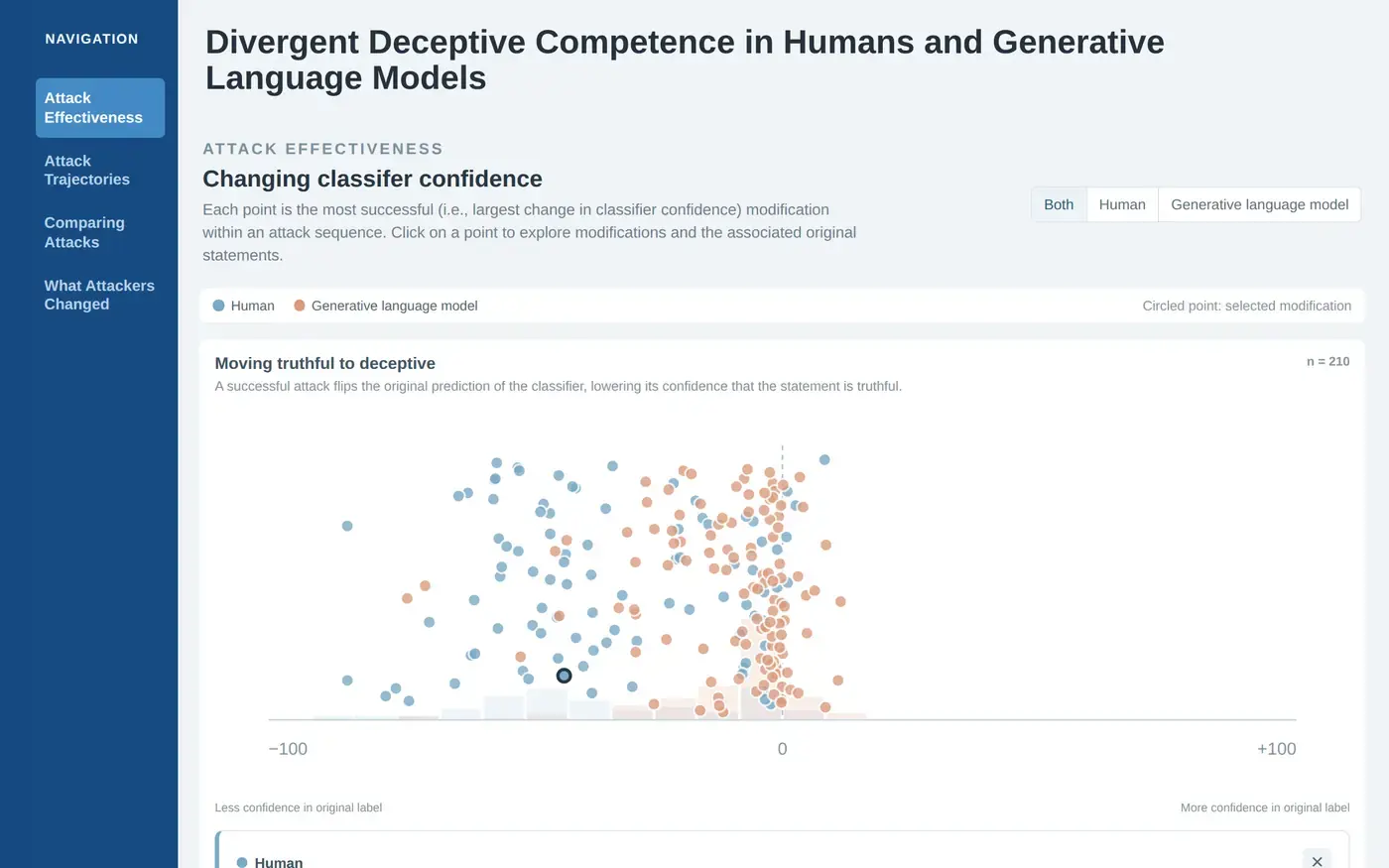
Human adversarial machine learning on text data for psychological inference

DisciplinePsychology
Academic PathUniversity of AmsterdamTilburg University
#adversarial-machine-learning#text-data#psychological-inference
Doctoral Researcher Unified alternate portrait of Lucca Pfründer

Lucca Pfründer

In his PhD, Lucca investigates how research designs from adversarial machine learning - when applied to NLP tasks, and when extended to human adversaries and human targets - can inform psychological theory for “wicked” problems such as deception.

#adversarial-machine-learning#text-data#psychological-inference
Doctoral Researcher Caterina Borgese Unified alternate portrait of Caterina Borgese

Caterina Borgese

Deception & malingering in investigative interviews

DisciplineClinical Psychology / Forensic Psychology / Cognitive Psychology
Academic PathMagna Graecia University of Catanzaro
#deception#malingering
Doctoral Researcher Unified alternate portrait of Caterina Borgese

Caterina Borgese

Caterina Borgese is a PhD candidate in Psychology at the University Magna Graecia of Catanzaro, Italy. Her research focuses on the cognitive processes underlying deception and malingering, particularly within investigative interviewing contexts. She is interested in understanding how behavioral indicators can be used to improve deception detection.

#deception#malingering
Research Assistant Jari Zegers Unified alternate portrait of Jari Zegers

Jari Zegers

Generative language models for investigative interviewing (JUSTICE)

DisciplinePsychology
Academic PathTilburg University
#generative-language-models#investigative-interviewing#reinforcement-learning#justice-project
Research Assistant Unified alternate portrait of Jari Zegers

Jari Zegers

In September 2026, Jari will join the Department of Methodology and Statistics at Tilburg University as a PhD student. Previously, he completed his Bachelor’s Degree in Psychology at the same institution, where he is also finalizing his Research Master’s in Individual Differences and Assessment (graduating July 2026).

#generative-language-models#investigative-interviewing#reinforcement-learning#justice-project
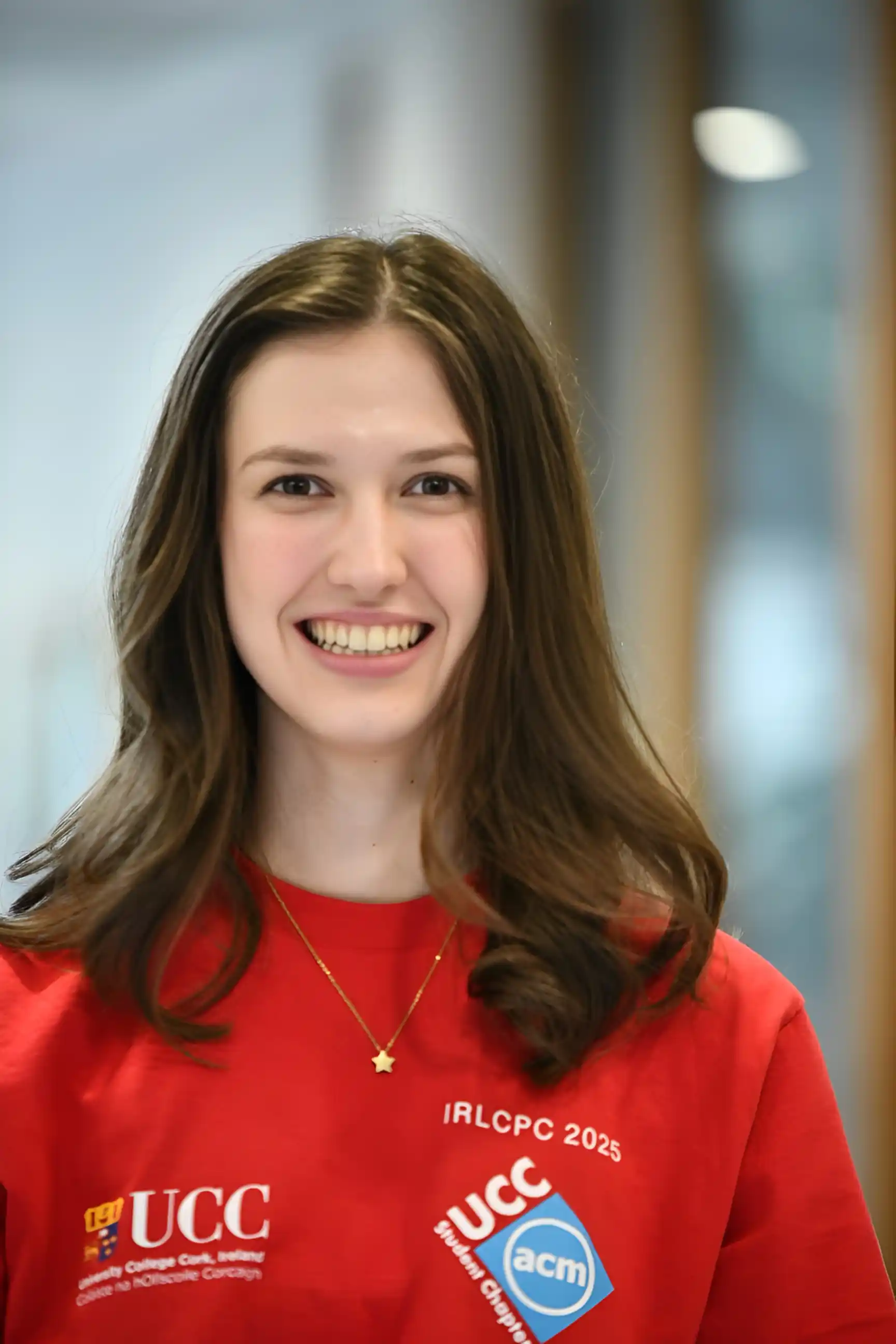
Affiliate · Doctoral Researcher Nicola Rossberg Unified alternate portrait of Nicola Rossberg

Nicola Rossberg

Quantifying understandability for a-priori approaches to explainable AI

DisciplineComputer Science / Psychology
Academic PathTilburg UniversityUniversity College Cork
#quantifying-understandability#explainable-ai
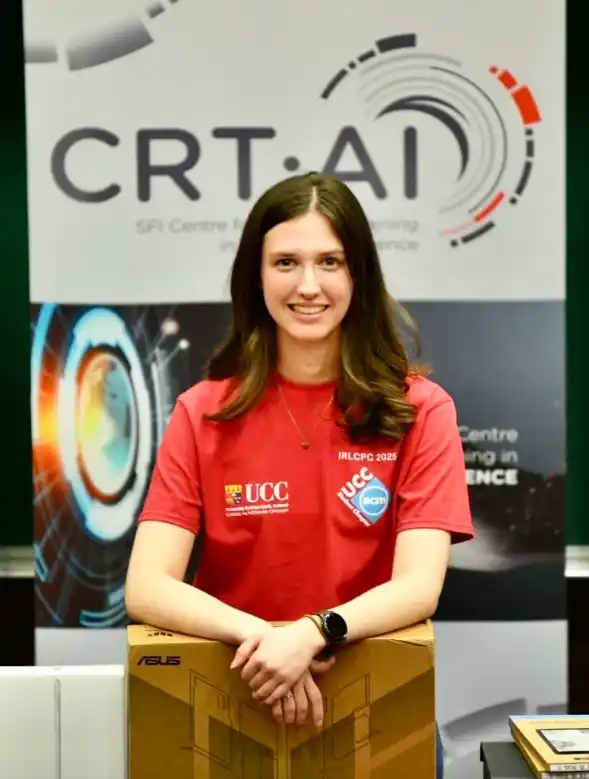
Affiliate · Doctoral Researcher Unified alternate portrait of Nicola Rossberg

Nicola Rossberg

Nicola Rossberg is a final-year PhD Candidate with University College Cork, studying human-computer interaction. Her research focuses on the application of psychometric techniques to develop more accessible explanations for machine learning models. Additionally, she is interested in the deployment of machine learning models for biophotonic applications.

#quantifying-understandability#explainable-ai
Research Assistant Jonas Festor Unified alternate portrait of Jonas Festor

Jonas Festor

Multiverse studies · NLP · empathy · bibliometrics · deception

DisciplinePsychology
Academic PathTilburg University
#multiverse-studies#natural-language-processing#empathy#bibliometrics#deception
Research Assistant Unified alternate portrait of Jonas Festor

Jonas Festor

Jonas Festor is a Psychology Research Master Student with a background in computational and statistical methods as well as cognitive neuropsychology. Within the CPCM Lab, he currently researches AI-generated and human empathy. His research interests extend to deception detection and applications of natural language processing. Alongside his research, he is passionate about teaching statistical and data science courses.

#multiverse-studies#natural-language-processing#empathy#bibliometrics#deception
Research Assistant Ngoc-Anh (Erin) Tran Unified alternate portrait of Ngoc-Anh (Erin) Tran

Ngoc-Anh (Erin) Tran

Bayesian statistics, safe anytime-valid inference & topic modelling

DisciplineCognitive Psychology / Statistics
Academic PathErasmus University RotterdamTilburg University
#bayesian-statistics#safe-anytime-valid-inference#survival-analysis#topic-modelling
Research Assistant Unified alternate portrait of Ngoc-Anh (Erin) Tran

Ngoc-Anh (Erin) Tran

Ngoc-Anh Tran is a Research Master student in the Methods and Statistics track of the Research in Social and Behavioural Sciences program at Tilburg University. She holds a Bachelor in Psychology (Brain and Cognition), with a minor in Computer Science, from Erasmus University. She previously worked as a Research Assistant at the Erasmus Behavioural Lab and the Department of Methodology and Statistics in Tilburg.

#bayesian-statistics#safe-anytime-valid-inference#survival-analysis#topic-modelling
Research Assistant Stefana Vida Unified alternate portrait of Stefana Vida

Stefana Vida

Translational psychology & complex methods on psychopathology

DisciplinePsychology / Statistics and Methodology
Academic PathTilburg University
#translational-psychology#complex-methods#psychopathology
Research Assistant Unified alternate portrait of Stefana Vida

Stefana Vida

Stefana is a curious person with diverse interests and a passion for doing research. She is finishing her Research Master in Psychology this summer. Within the CPCM Lab she's mostly involved in developing statistical methods and studying human-LLM interaction. She also enjoys teaching statistics and travelling.

#translational-psychology#complex-methods#psychopathology
Affiliate · Doctoral Researcher Lisette Sibbald Unified alternate portrait of Lisette Sibbald

Lisette Sibbald

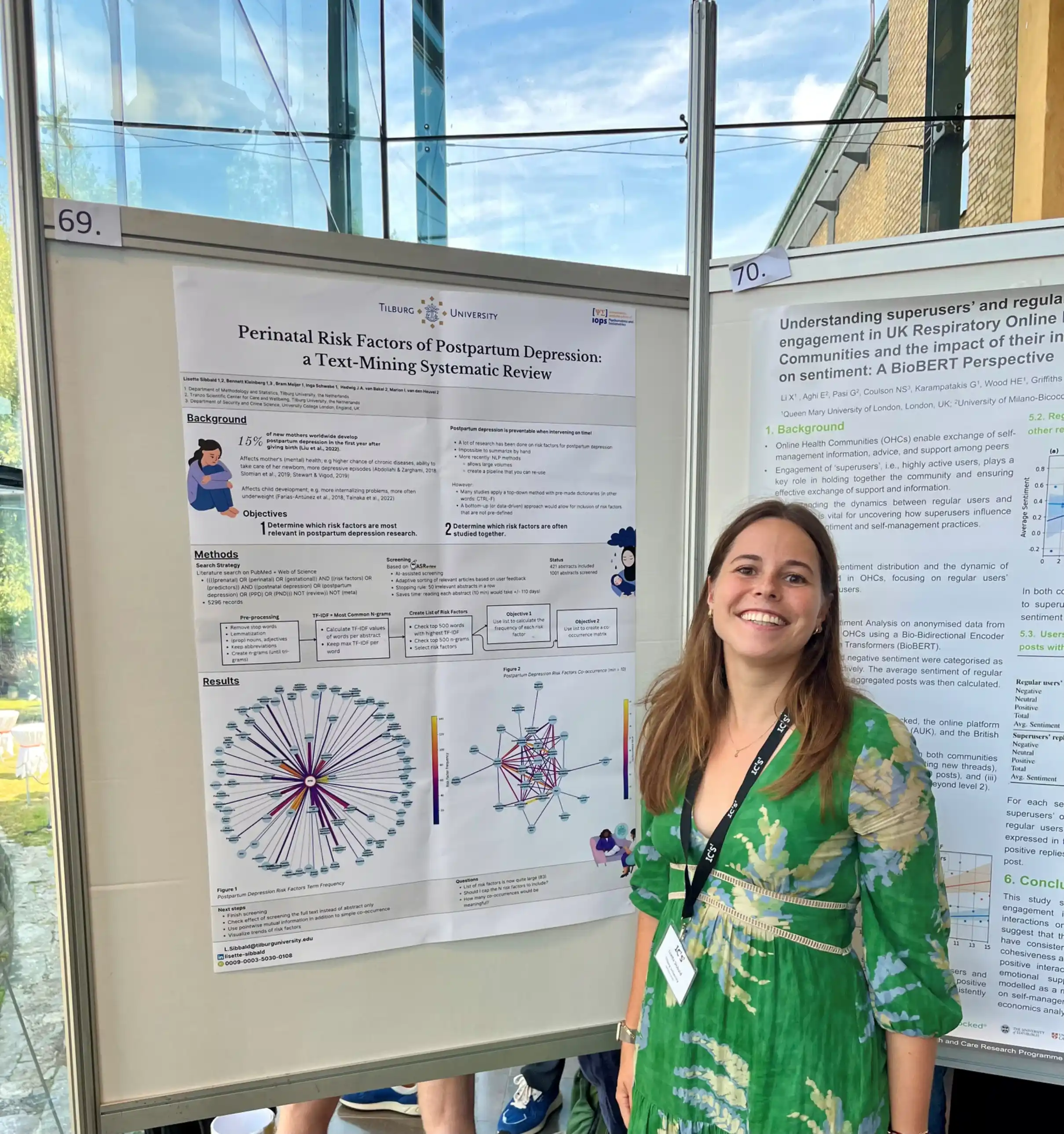
Predicting postpartum depression using machine learning

DisciplinePsychology / Data Science
Academic PathUtrecht UniversityUniversity of AmsterdamTilburg University
#machine-learning#postpartum-depression
Affiliate · Doctoral Researcher Unified alternate portrait of Lisette Sibbald

Lisette Sibbald

Lisette Sibbald is a PhD candidate working on the prediction of postpartum depression using data science methods. She is broadly interested in using statistical and machine learning approaches to better understand human behavior and psychopathology. She joined the lab through her work on a project that uses natural language processing and large language models to summarize large bodies of literature on perinatal mental health.

#machine-learning#postpartum-depression

Interested in joining CPCM Lab?

Explore current opportunities for doctoral projects, thesis work, and internships.

#join#projects#internships
// RESEARCH

Multiple themes, one shared foundation

We investigate how computational methods can enhance our understanding of the human mind - and how psychological research can inform our understanding of computational models.

Deception

Integrating experimental data and computational methods to address the "hard problems" of deception research.

  • Examining how human adversarial machine learning can inform cognitive theories of deception.
  • Combining controlled experiments with computational text analysis and machine learning.

Machine Behaviour

Examining model behaviour by borrowing formal statistical methods from psychometrics and experimental research.

  • Understanding stochastic humanness of generative language models through experimental research.
  • Using formal psychometric modelling to conduct fundamental research on models.

Methods

Developing the methods needed to advance computational psychology research.

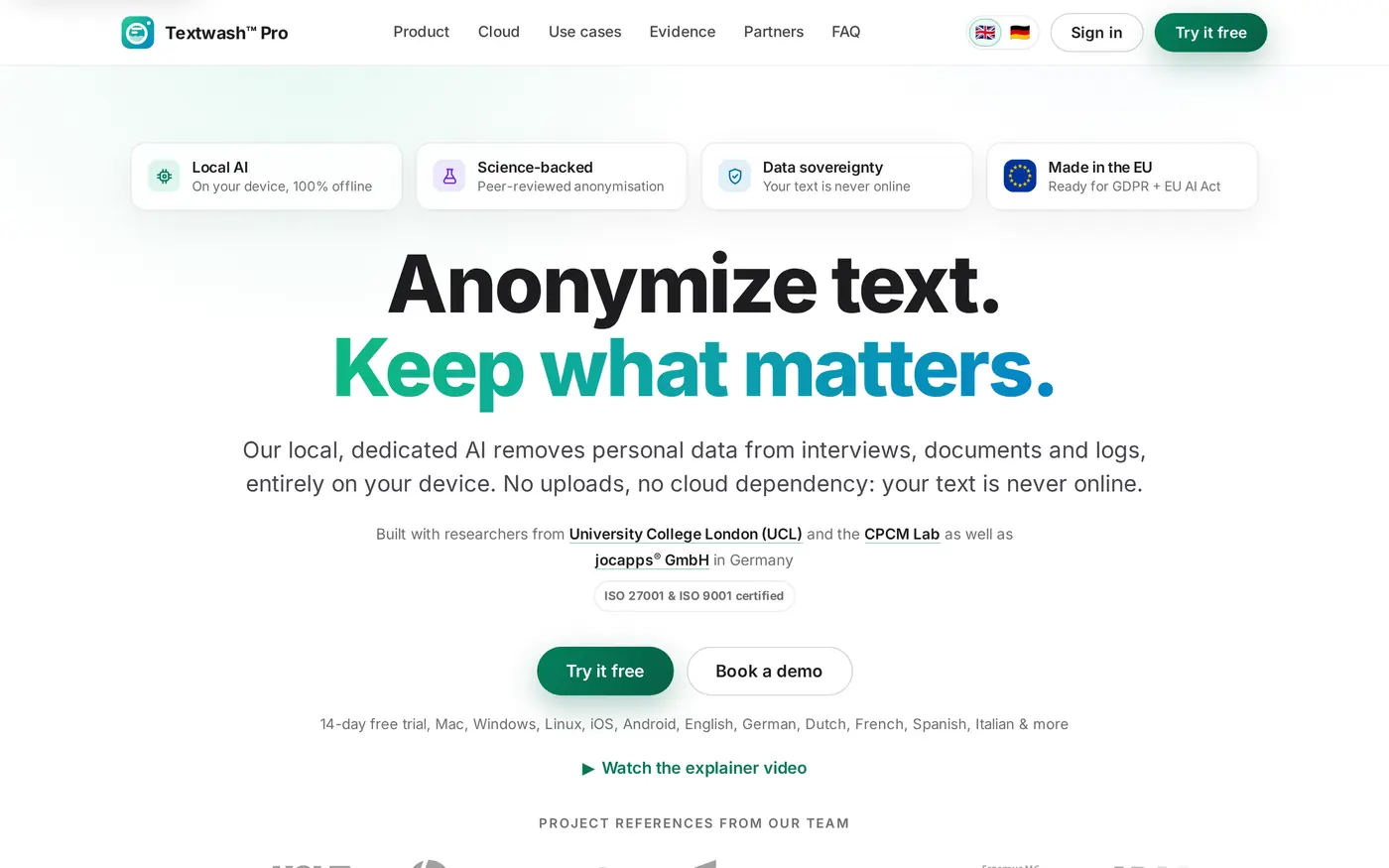
  • Secure, scalable methods for text anonymisation - e.g. Textwash.
  • Sample-size estimation algorithms for supervised machine learning.
// PHD ALUMNI
2026
Dr. Riccardo Loconte Opportunities and challenges of automated verbal deception detection
2025
Dr. Daniel Hammocks Information prioritisation for horizon scanning using data-science techniques
2023
Dr. Arianna Trozze New forms of financial crime
2023
Dr. Maximilian Mozes Adversarial perturbations in natural language processing
2023
Dr. Felix Soldner Detecting and mitigating online customer fraud
2021
Dr. Isabelle van der Vegt Understanding and predicting threats of violence using computational linguistics
// JOINING THE LAB

Opportunities to join the lab

Lab members are postdocs and doctoral researchers as well as research interns and assistants. These are the most common ways to join the lab.

PATH · 01

Thesis projects

Advertised in the programmes we are involved in.

PATH · 02

PhD and postdoc positions

Several routes - funded university posts, joint PhDs with another institution, ERC funding, or self-funded. All funded positions are publicly advertised.

PATH · 03

Research internship

Identify a topic that aligns with one of the key themes of the lab and overlaps with at least one current member, then contact us with a short proposal. Internships should run at least six months. We can facilitate funding the internship.

// CONTACT

Get in touch

Computational Psychology and Computational Methods Lab For potential collaborations, internships, visits, or programme questions - please contact us directly.

Bennett's website

// VISITING ADDRESS

Department of Methodology & Statistics
Tilburg University
The Netherlands